

Squalane oil has secured a vital place in the skincare world, praised for its power to hydrate, defend, and rejuvenate the skin. Derived from squalene, a lipid innately found in human skin cells, squalane oil is a refined version of squalene, offering improved longevity. That said, not all squalane oil is of the same quality. Its origin plays a significant role in determining its sustainability and environmental impact.
Breaking Down the Origins of Squalane Oil
Squalane oil can be derived from multiple primary sources: animal-derived and plant-derived materials. The decision between these categories has serious ethical ramifications.
The Controversy of Animal-Based Squalane Oil
Traditionally, squalane oil was frequently derived from the livers of sharks. Sharks are an abundant provider of squalene, which is processed into squalane oil. Regrettably, this approach has major ethical issues. Millions of sharks are harvested on a massive scale for their livers, leading to the depletion of shark populations and damaging marine ecosystems. Moreover, the processes used are inhumane and are environmentally destructive.
Botanical-Based Squalane Oil
In contrast, botanical-based squalane oil is a more responsible and planet-friendly solution. It is extracted from plants, eliminating the need on animal sacrifice. This option ensures humane sourcing but also produces a premium-grade product for skincare routines.
Plant-Based Squalane Oil: Olive vs. Sugarcane
Among plant-derived squalane oils, two sources stand out: olive-derived squalane oil and sugarcane-based squalane oil. While both offer vegan options, their sustainability is not the same.
Olive Squalane: A Superior Choice
Olive-derived squalane oil is considered the superior choice for sustainable considerations. Olives are a sustainable resource that generate fewer emissions. What’s more, olive squalane oil retains comparable hydrating and skin-rejuvenating qualities as its sugarcane-derived counterpart.
The Environmental Downside of Sugarcane-Derived Squalane Oil
In contrast, sugarcane-derived squalane oil is associated with significant issues. Sugarcane production consumes massive amounts of water and often produces environmental degradation. This makes it environmentally taxing than olive-derived options.
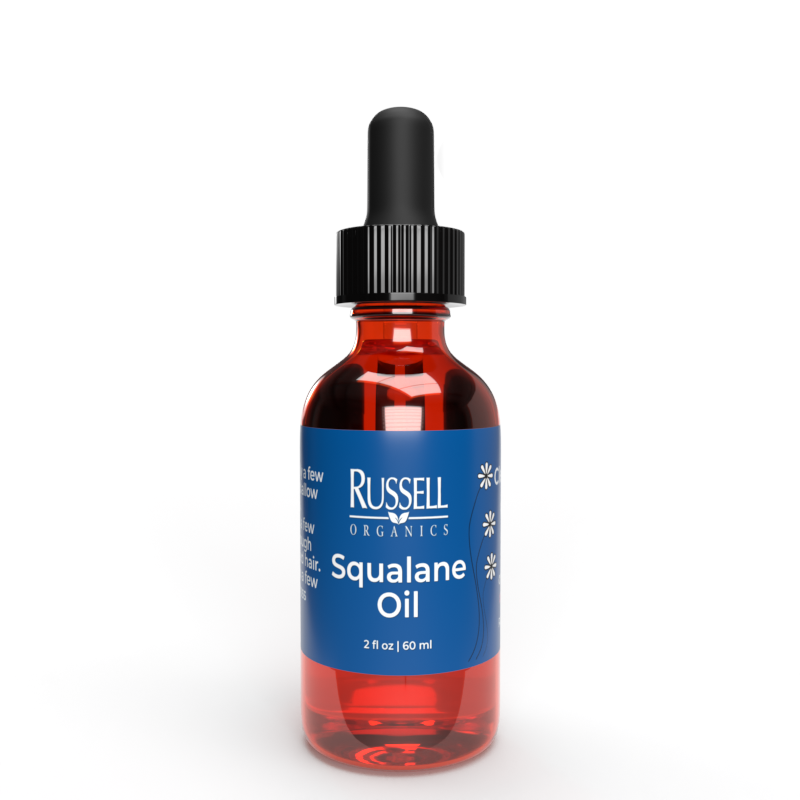
Squalane Oil: A Skin Savior
Squalane oil offers a plethora of advantages for every skin type. Here’s why squalane oil breakout stands out in skincare:
Skin-Quenching Properties: Squalane oil penetrates thoroughly into the skin, providing profound hydration without leaving a greasy residue.
Perfect for Combination Skin: Its lightweight texture makes it a great choice for all skin types, including oily skin.
Reduces Fine Lines: Rich in antioxidants, squalane oil helps to combat the appearance of wrinkles and fine lines while guarding against free radicals.
Gentle Yet Effective: Its mild formulation reduces redness, making it ideal for easily irritated skin.
Final Thoughts
Whether you have sensitive, combination skin, squalane oil delivers unparalleled advantages. By choosing ethical options, most notably olive-derived squalane oil, you support sustainability but also ensure your beauty routine includes one of the best ingredients available.